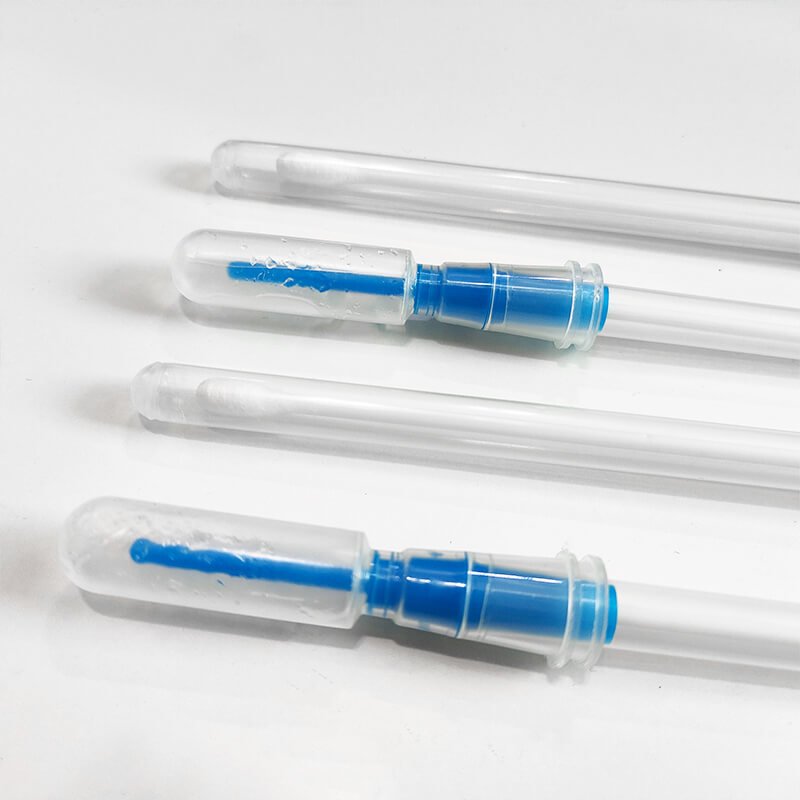
Proper handling of clinical, food, and environmental specimens is critical for achieving accurate laboratory results. From the moment a swab or liquid sample is collected, every minute of transport matters. Transport media are essential tools that provide a stable environment, preserving the viability of microorganisms while preventing unwanted changes that could compromise testing accuracy.
What Are Transport Media?
Transport media are specially formulated, mostly non-nutritive solutions or gels designed to maintain microorganisms in a viable state during transit. Unlike culture media, which actively promote growth, transport media focus on preservation without multiplication, so the sample arrives at the laboratory in the same condition as when it was collected.
Key Functions of Transport Media
- Stabilization of Conditions – Prevents drying, maintains pH, and protects cells from environmental stress.
- Prevention of Overgrowth – Limits the proliferation of background flora that could overshadow target organisms.
- Preservation of Fragile Organisms – Keeps delicate or fastidious microbes alive until testing.
- Minimization of Contamination – Helps reduce the risk of extraneous organisms affecting diagnostic accuracy.
Types of Transport Media
- Non-nutritive Media – Simple buffered solutions used for maintaining specimens when minimal metabolic activity is desired.
- Semi-solid Media – Offer mechanical protection for fragile microbes and reduce oxygen diffusion, suitable for both aerobic and anaerobic samples.
- Specialized Media – Formulations tailored for viruses, anaerobes, or fastidious bacteria that require strict environmental control.
Selecting the correct type of transport medium depends on:
- Specimen source (swab, fluid, tissue)
- Target organism (aerobic, anaerobic, viral, fungal)
- Expected transit time and temperature conditions
Best Practices for Sample Transport
- Use Sterile Containers: Prevents external contamination.
- Control Temperature: Keep samples within recommended ranges; some may require refrigeration, while others need room temperature.
- Minimize Transit Time: Deliver specimens to the laboratory promptly.
- Label Clearly: Include collection time, source, and relevant clinical information.
- Follow Regulatory Guidelines: Comply with local and international standards for biological material transport.
Why Transport Media Matter
Without appropriate transport conditions, microorganisms may die, multiply excessively, or undergo biochemical changes, leading to:
- False negatives or positives
- Reduced culture yield
- Misinterpretation of antimicrobial susceptibility
Reliable transport procedures improve diagnostic accuracy, support effective patient management, and maintain confidence in research and quality control programs.
Conclusion
Transport media play a crucial role in preserving microbial sample integrity during shipping and handling. By maintaining viability while preventing overgrowth, they ensure that laboratories receive specimens suitable for precise testing. Investing in high-quality transport solutions and following strict handling protocols directly improves the reliability of laboratory results and research outcomes.