Category: other series

Advantages of Ready-to-Use Petri Dishes in Microbial Testing In microbiological laboratories, efficiency, accuracy, and sterility are the cornerstones of reliable testing. Ready-to-use Petri dishes are a breakthrough solution designed to streamline microbial testing without compromising quality. Especially in quality control, food safety, environmental monitoring, and pharmaceutical testing, these pre-poured media plates offer significant operational and
Microbial testing plays a vital role in diagnostics, environmental monitoring, food safety, pharmaceuticals, and research. At the core of these procedures are Petri dishes, a fundamental tool for culturing and analyzing microorganisms. As laboratory standards evolve, ready-to-use Petri dishes are becoming the preferred solution for many professionals. These pre-prepared culture plates offer consistency, safety, and
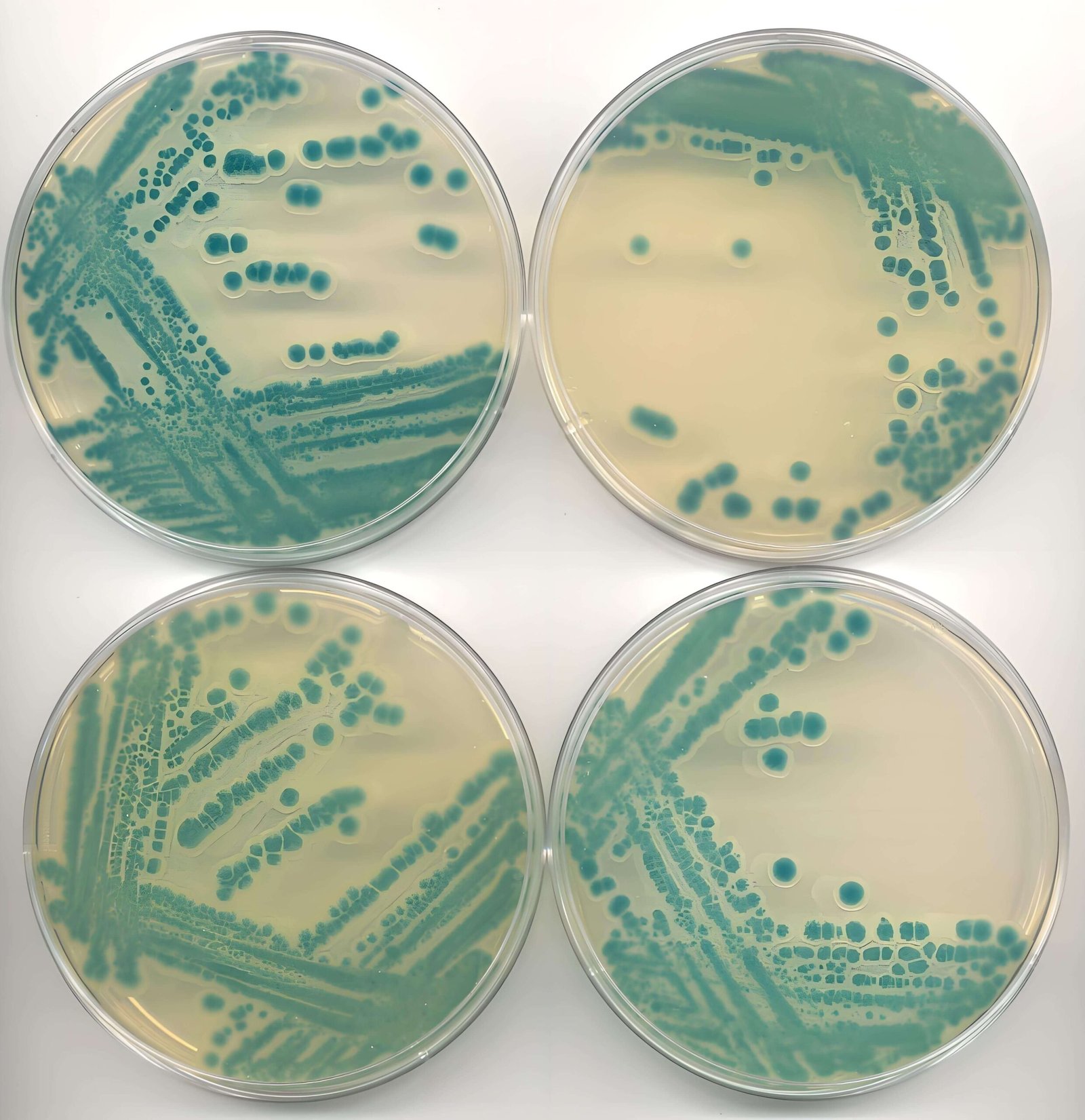
Chromogenic media represent a quantum leap in food safety diagnostics, replacing subjective interpretation with visual certainty. Unlike traditional methods requiring 3-5 days for confirmation, these advanced substrates deliver species-level identification in 18-24 hours through enzyme-specific color reactions. With global food recalls increasing by 34% since 2020, this technology bridges the gap between speed and accuracy

Transport culture media bridge the critical gap between sample collection and laboratory analysis. Every year, 18% of microbiological specimens degrade during transit due to improper media selection, compromising diagnostic accuracy and research validity. Understanding preservation science is paramount for reliable results. 5 Critical Selection Criteria Industry-Specific Requirements Sector Critical Needs Media Solutions Clinical Diagnostics Preserve

Sterile sampling bags serve as the first line of defense against microbial contamination during sample collection. In fields ranging from pharmaceutical manufacturing to food safety, compromised samples can invalidate research, delay production, and jeopardize consumer safety. These specialized barriers ensure collected specimens remain pristine from point-of-collection to laboratory analysis. Core Scientific Advantages Industry-Specific Applications Sector
Ready-to-use culture media have transformed microbiology workflows by eliminating complex preparation steps. These pre-sterilized, pre-dispensed formats – including agar plates, liquid broths, and tube media – deliver unparalleled convenience while maintaining stringent quality standards. For labs prioritizing reproducibility and speed, they represent the new benchmark in microbial testing. Core Advantages Over Traditional Media Technical Specifications
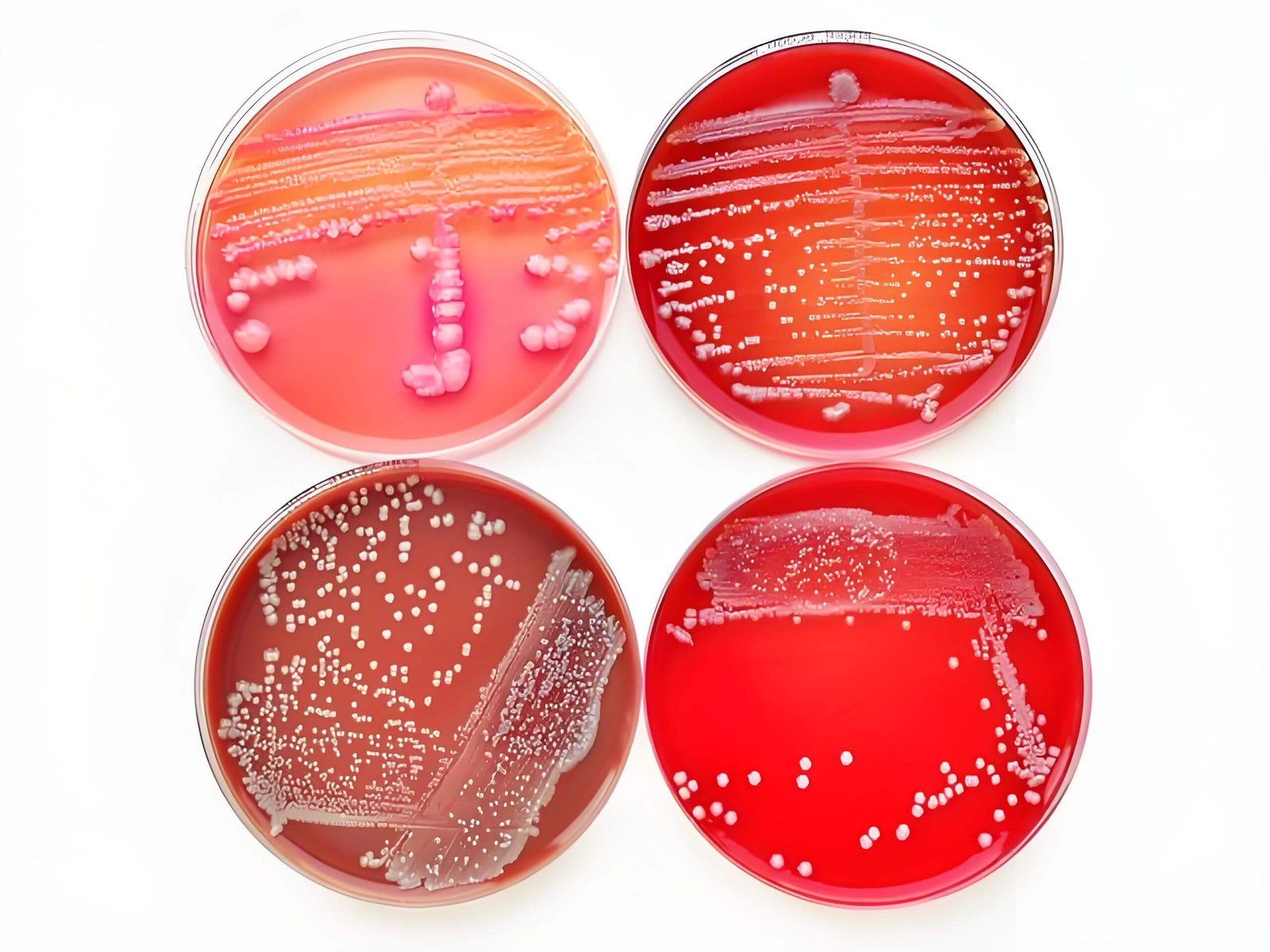
Granular culture media represent a transformative advancement in microbiological science, offering unparalleled precision for research and industrial applications. Unlike traditional powdered forms, these engineered particles deliver consistent solubility, minimized aerosolization, and enhanced contamination control – critical factors in accelerating discovery while maintaining reproducibility. Core Benefits of Granular Media Research-Specific Advantages Application Granular Media Impact High-Throughput

The European Pharmacopoeia (Ph. Eur.) culture media standards are the gold standard for pharmaceutical quality control, ensuring the safety and efficacy of medicines across Europe and beyond. These rigorous guidelines dictate the formulations, performance, and testing protocols for culture media used in sterility testing, microbial enumeration, and pathogen detection. For labs and manufacturers, compliance with
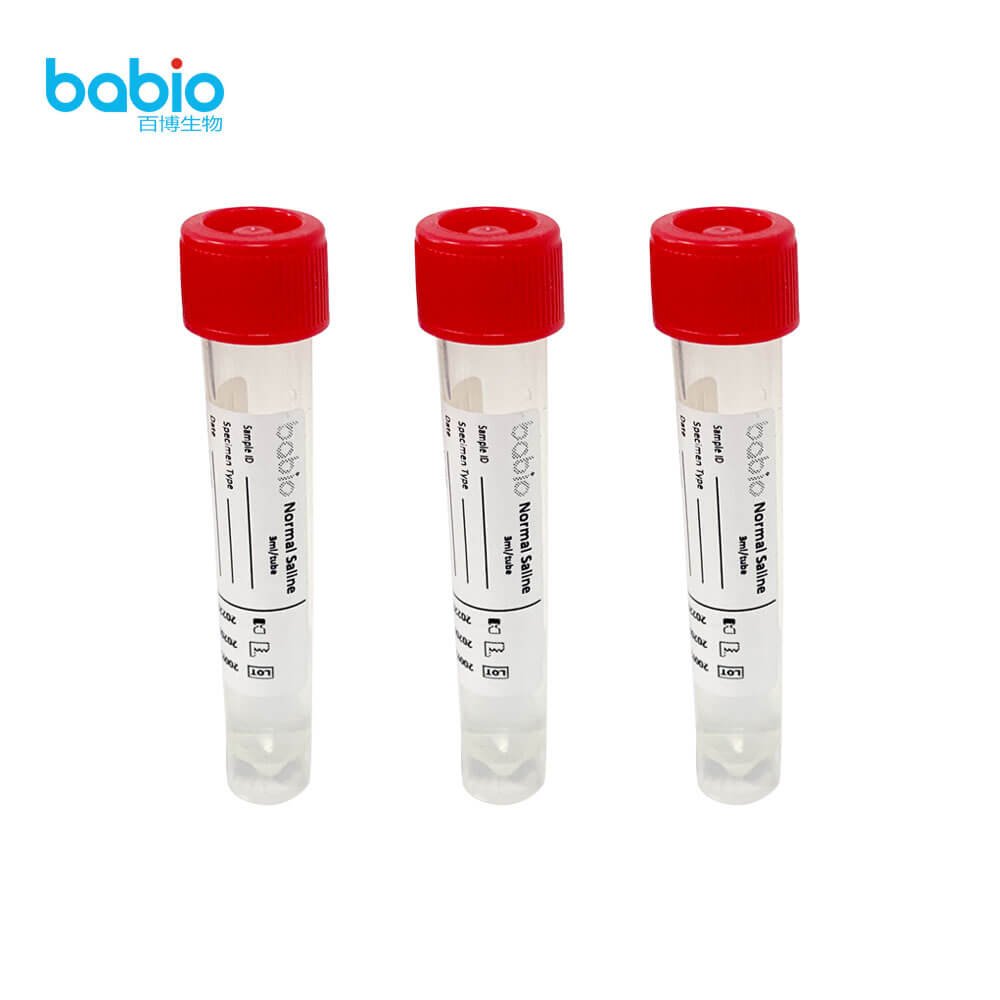
Microbial testing demands precision at every step, from sample collection to lab analysis. Even minor contamination or improper handling can compromise results, leading to costly errors in healthcare, pharmaceuticals, and environmental monitoring. Sterile transport bags have emerged as a non-negotiable tool for laboratories and professionals who prioritize accuracy. Let’s explore their unique advantages and how

Transport Culture Media: Ensuring Sample Integrity from Collection to Lab Accurate sample analysis starts long before specimens reach the lab. Transport culture media play a critical role in preserving biological samples during transit, directly impacting diagnostic and research outcomes. Here’s how this vital tool safeguards reliability and precision: Why Transport Culture Media Matter Best Practices