Discover proven methods for storing and handling culture media to maintain product integrity, minimize contamination hazards, and ensure the precision of clinical and microbiological analyses.Culture media is the foundation of microbiological research, clinical diagnosis, and biotechnological production. Properstorage and handling directly affect the reliability of results, safety of use, and product shelf life.
Introduction
Culture media storage and handling is crucial for microbiological research and clinical diagnosis. Proper culture media storage and handling practices are the foundation of reliable results, as they directly affect product integrity, contamination risk, and research precision. Below are key tips to help you master correct culture media storage and handling and avoid common mistakes.
Culture Media Storage Tips
Maintain Temperature Conditions: For proper culture media storage, most dry culture media should be stored at 15–25 °C, while prepared liquid or agar media should be kept in a refrigerator at 2–8 °C. Avoid temperature fluctuations and direct sunlight, as these can damage nutrients and reduce quality. You can check the WHO microbiology guidelines (external link) for more temperature control standards.
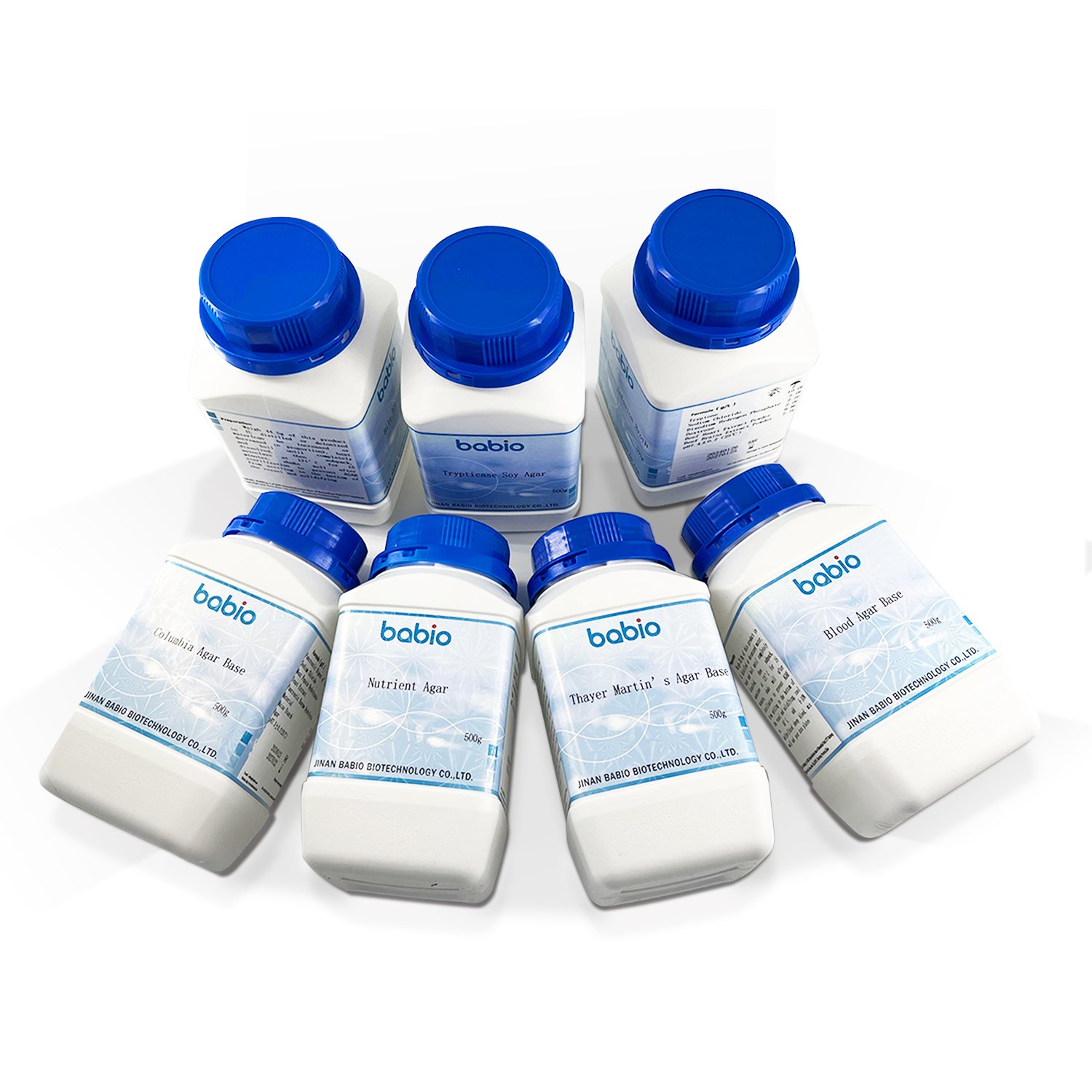
Control Humidity: Dry culture media is sensitive to humidity—proper culture media storage requires storing it in airtight packaging in a dry area to prevent clumping and microbial contamination.
Check Expiry Dates: Always check the expiration date on the packaging before use. Expired culture media may lose its properties, which undermines the effect of culture media storage and handling and leads to inaccurate research results.
Culture Media Handling Tips
- Sterility is a Priority: Strictly follow sterility rules when preparing and using culture media. Proper culture media handling requires using sterile equipment (beakers, test tubes, syringes), disinfecting work surfaces and hands to avoid contamination. For more details on sterile operation, you can refer to our sterile techniques guide (internal link).
- Proper Preparation: When diluting dry culture media, follow the manufacturer’s instructions for water ratio and heating temperature. Do not overheat the media, as this can damage thermolabile substances and affect culture media handling effects.
- Use Prepared Media Promptly: Use prepared liquid and agar media within 24–48 hours of preparation (unless otherwise specified by the manufacturer). Long-term storage of prepared media increases the risk of contamination and reduces the effectiveness of culture media handling.
Conclusion
Mastering correct culture media storage and handling is a simple but effective way to protect product quality, reduce risks, and ensure the accuracy of clinical and microbiological research. By following the above tips, you can maximize the properties of the culture media and obtain reliable results through scientific culture media storage and handling.